Albertson: A Bold Blackletter Font for Modern Designers
There's a certain weight to typography that can make or break a design. You know the feeling—you're scrolling through a sea of minimalist sans-serifs and delicate scripts, and then something stops you. A typeface with character, with history, with presence. That's what Albertson brings to the table. It's not just another retro blackletter font; it's a tool that channels centuries of typographic tradition into something you can actually use in contemporary projects. If you've been searching for a display font that commands attention without feeling dated, this one deserves a closer look.
Understanding the Visual DNA of Albertson
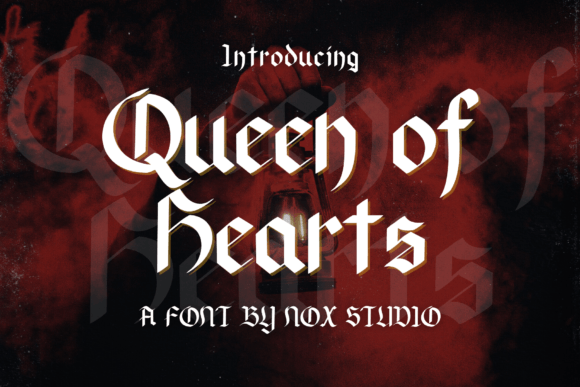
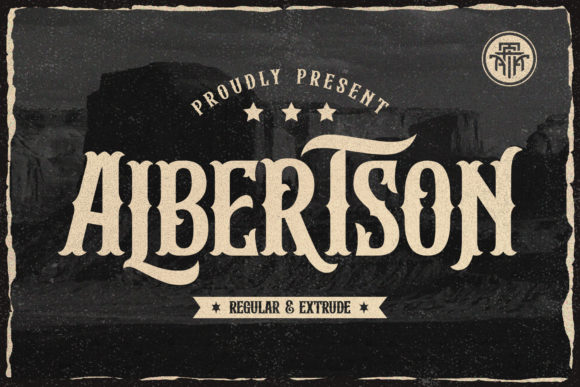
Blackletter fonts occupy a unique space in typography. They carry associations with tradition, craftsmanship, and authority—think old manuscripts, newspaper mastheads, and vintage branding. Albertson takes that heritage and refines it for modern use. The letterforms are assertive and structured, with the characteristic thick-to-thin strokes that define blackletter style, but they're drawn with a clarity that keeps them legible even at smaller sizes.
What makes this typeface particularly useful is its encoding. Being PUA encoded means every glyph, swash, and alternate character is accessible without special software or complicated workarounds. For designers who want to explore stylistic variations—maybe a decorative initial here, a flourish there—this removes a significant barrier. You install the font, open your design application, and everything is right there waiting.
Where This Typeface Actually Shines
Let's talk practical applications, because that's where a font either proves its value or collects digital dust. Albertson isn't the right choice for body text on a website or a lengthy business report. But for projects where you need a strong visual statement? It's remarkably versatile.
Branding and Logo Design
If you're developing a brand identity for a craft brewery, a barbershop, a tattoo studio, a clothing line with heritage aesthetics, or a boutique food brand, this typeface can anchor your visual language. The blackletter style immediately communicates a sense of authenticity and tradition. Pair it with a clean sans-serif for body copy, and you've got a brand system that feels both timeless and intentional.
Packaging and Product Design
Shelf presence matters. When a consumer is scanning a crowded retail environment, packaging design needs to do heavy lifting in a fraction of a second. A bold display font like Albertson can create that instant recognition. Think hot sauce labels, artisan coffee bags, craft spirits, or specialty chocolate packaging—categories where the typography itself becomes part of the product's story.
Social Media Graphics and Digital Content
In the endless scroll of Instagram or Pinterest, distinctive typography stops thumbs. Using Albertson for headlines, quotes, or announcement graphics gives your social media presence a cohesive, professional edge. It works especially well for event promotions, product launches, or any content where you want to project confidence and style.
Print Materials and Editorial Layouts
Magazine covers, poster designs, event flyers, wedding invitations, album artwork—these are all spaces where a strong display typeface earns its keep. The decorative elements included with Albertson give you options for creating layouts that feel curated rather than generic. Drop caps, stylistic alternates, and swash characters let you customize the typography to match the mood of each specific project.
Merchandise and Physical Products
T-shirts, hats, stickers, patches, signage—when your typeface is going to live on physical objects, it needs to hold up visually. Blackletter fonts have a natural advantage here because their bold, graphic quality translates well to screen printing, embroidery, and other production methods. The strong silhouettes remain recognizable even from a distance.
Making Smart Typography Choices for Your Project
Choosing the right font style isn't just about personal taste—it's about alignment with your project goals. Before you commit to any typeface, including Albertson, ask yourself a few questions:
- What's the primary emotion you want to evoke? Blackletter fonts carry weight and seriousness. If your brand or project leans toward playful, whimsical, or ultra-modern minimalism, this style might create visual dissonance. But if you're going for heritage, strength, or artisanal quality, it's a natural fit.
- Who's your audience? Typography speaks to cultural associations. Your audience will interpret a blackletter font through their own experiences and expectations. For demographics that appreciate craft, tradition, or counter-culture aesthetics, this style resonates strongly.
- Where will the typography appear most often? If it's primarily for headlines and logos, a bold display font works perfectly. If you need something for long-form reading, you'll want to pair it with a highly readable serif or sans-serif for body text.
Pairing Albertson with Other Typefaces
No font exists in isolation. The real magic happens in how you combine typefaces within a single design or brand system. Albertson's strong personality means it benefits from a complementary partner that provides contrast without competition.
A geometric sans-serif works beautifully as a counterbalance—think something like Montserrat, Futura, or Avenir for clean, modern contrast. If you want to stay in the serif family, a transitional or old-style serif with moderate contrast can create an elegant pairing. The key is ensuring the secondary typeface has enough visual difference that the hierarchy is immediately clear. Your display font should dominate headlines and hero text, while the supporting font handles everything else.
Test your pairings at multiple sizes and in context. A combination that looks stunning in a mockup might fall apart when applied to a real website or printed brochure. Check how the fonts interact in actual use cases—headline plus paragraph, logo plus tagline, poster title plus event details.
Readability Considerations Worth Noting
Every designer faces the tension between visual impact and readability. With a typeface like Albertson, this balance is especially important. Here are some honest observations:
- Size matters. Use it large. Blackletter fonts are display typefaces by nature. At small sizes, the intricate details can become muddy, especially on screens with lower resolution.
- Spacing helps. Give the letters room to breathe. Slightly increased tracking (letter-spacing) can improve legibility significantly without sacrificing the font's character.
- Color and contrast. Ensure strong contrast between the text and background. Dark text on light backgrounds works best. Avoid placing it over busy images without adequate contrast treatment.
- Limit your use. Reserve it for headlines, logos, and accent text. Don't set entire paragraphs in a blackletter font—your readers will thank you.
Exploring What's Included
Before purchasing any premium font, review what's actually included in the package. A well-built typeface like Albertson typically comes with uppercase and lowercase letters, numerals, punctuation, and—thanks to its PUA encoding—a collection of stylistic alternates and decorative swashes. Take time to explore these extras. They're not just ornaments; they're design options that let you customize the typography for different contexts.
Try out different combinations of standard and alternate characters. Sometimes a single swash on an initial letter transforms the entire feel of a headline. Sometimes the standard characters are exactly what you need. Having access to the full range of glyphs means you can make those decisions based on what serves the design, not what's technically available.
Licensing and Commercial Use
If you're working on commercial projects—and many of you are—licensing matters. Always verify that the font license covers your intended use. Most premium fonts come with clear licensing terms for desktop use, and many now include web font licensing as well. If you're creating products for sale, merchandise, or client work, confirm that your license permits those applications. This isn't just about legal compliance; it's about respecting the work of the type designer who created the asset you're using.
Bringing It All Together
Typography is one of those design elements that operates on two levels simultaneously. It communicates content, obviously, but it also communicates feeling, quality, and intention. Albertson gives you a typeface with genuine personality—one rooted in a rich typographic tradition but built for the way designers actually work today. Whether you're building a brand from scratch, refreshing a visual identity, designing packaging for a new product, or creating social media content that needs to stand out, having a strong blackletter option in your font library opens creative doors that standard typefaces simply can't.
The best design choices are informed ones. Understand what this typeface does well, where its strengths lie, and how it fits into your broader creative toolkit. Used thoughtfully, it won't just make your designs look different—it'll make them feel more intentional, more distinctive, and more memorable to the people who encounter them.