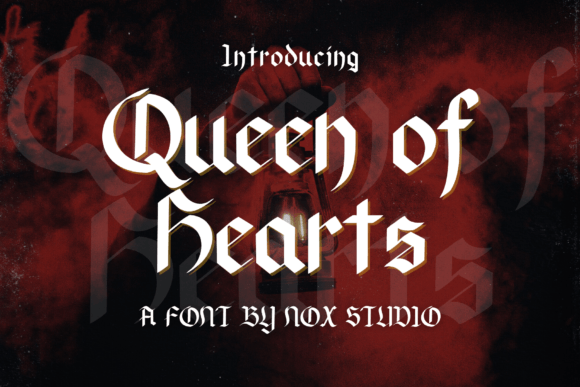
Unveiling Queen of Hearts: A Gothic Font with Timeless Elegance
There's a certain magnetism to letterforms that feel both ancient and utterly present. They carry the weight of history—of carved stone, illuminated manuscripts, and grand architecture—while still speaking a contemporary visual language. If you've ever searched for a typeface that bridges that gap, that feels both powerfully classical and refreshingly individual, the Queen of Hearts display font might be the answer your project has been seeking. This isn't just another blackletter; it's a carefully crafted hybrid, blending the stark authority of Gothic script with the refined proportions of classical Roman inscriptions.
A Character Study in Typeface Design
What immediately sets Queen of Hearts apart is its charismatic duality. It possesses a boldly masculine structure—think of the confident strokes in its uppercase letters—yet it's tempered with a delicately elegant touch. This comes from its intricate detailing: the interplay of pointed corners with a harmonious blend of straight and curved lines. Each letter feels considered, designed to ooze personality without sacrificing cohesion. It’s a premium font that doesn’t just sit on a page; it makes a statement, lending a sense of sophistication and individualistic style to any headline or logo.
For designers, this balance is gold. A typeface with too much ornamentation can become illegible and distracting. One that's too simple might fail to convey the desired mood. Queen of Hearts navigates this perfectly. Its inspiration from timeless aesthetics means it feels rooted in tradition, avoiding the fleeting trends of modern typography. Yet, its execution is fresh enough to avoid looking like a mere replica of a historical font. This makes it a versatile creative font for a range of projects where you need to establish a distinct, high-end tone.
From Brand Identity to Tangible Products
So, where does a font like this truly shine? Its strength lies in applications where you want to command attention and convey a sense of craft or heritage. Let's move beyond the abstract and talk about real-world use.
Imagine a brand identity for a boutique distillery, a artisan chocolate maker, or a high-end barber shop. Queen of Hearts, used in the logo and on primary packaging, instantly communicates tradition, quality, and a handcrafted ethos. It works beautifully for packaging design on labels, boxes, and shopping bags, where its intricate details can be appreciated up close. Similarly, for editorial design—think magazine mastheads, chapter openers in a book, or pull quotes in a premium catalog—this serif font alternative adds dramatic flair and visual hierarchy.
In the digital realm, it’s a powerhouse for social media graphics and web design. A single, impactful headline set in Queen of Hearts can stop the scroll, making it ideal for Instagram announcements, YouTube channel art, or the hero section of a website landing page. For digital products like e-book covers, online course titles, or podcast graphics, it lends an air of authority and professionalism. And for physical merchandise—t-shirts, tote bags, posters, or event invitations—its bold presence ensures your message isn't just seen, but remembered.
Practical Advice for Pairing and Implementation
A great display font is only as good as its supporting cast. One of the most common pitfalls in design is pairing a strong, personality-driven typeface like Queen of Hearts with another that competes for attention. The goal is contrast and harmony. Because Queen of Hearts is a Gothic font with high visual texture, it pairs exceptionally well with clean, simple sans serif fonts for body text. Think of a typeface like Helvetica, Open Sans, or Lato. The clean lines of the sans serif will provide a calm, readable foundation that allows the intricate details of the Queen of Hearts headline to truly pop without causing visual fatigue.
You could also explore pairing it with a simple, modern serif font for a more classic, literary feel, but ensure the serif is significantly less ornate. A script font or handwritten font could work for a very specific, eclectic vibe, but use this combination sparingly and with great care to avoid a chaotic layout. Always test your font pairings in context. Mock up a business card, a social media post, or a webpage header to see how the relationship between the headline and body copy feels at actual size.
Remember, readability is paramount, especially for longer text. Queen of Hearts is a display font, meaning it's designed for short bursts of impact—titles, headers, logos, and slogans. It is not intended for body copy. Using it for paragraphs would quickly tire the reader's eyes. Its role is to set the mood and draw the viewer in; the supporting sans serif font or serif font does the job of communicating the detailed information clearly.
Making an Informed Choice for Your Project
Before you commit, take a moment to review the specific font styles included with your purchase. Queen of Hearts typically comes with a full set of uppercase and lowercase letters, numerals, and a range of punctuation and symbols. Some premium versions may include stylistic alternates or ligatures—special character combinations that add even more flair. Understanding what's in the package helps you plan your designs more effectively.
Equally important is understanding the commercial licensing. If you're a freelancer, a small business owner, or a content creator using this font for client work or for products you sell, you need to ensure the license covers that use. Most reputable font foundries offer clear licenses for desktop, web, and app use. Always read the terms. This isn't just about legal compliance; it's about supporting the type designers who create these invaluable design assets.
Ultimately, choosing a font like Queen of Hearts is a decision about voice and character. It’s for projects that refuse to whisper. Whether you're building a brand from the ground up, designing a poster for a community theater production, or crafting the visual identity for a new blog, this typeface offers a direct line to a aesthetic that is both profoundly individualistic and timelessly resonant. It’s a tool that, when used thoughtfully, doesn’t just display words—it tells a story before a single sentence is read.