Mastering the Art of Crochet Chart Symbols for Digital Design
If you’ve ever tried to translate the tactile beauty of a handmade scarf or a complex amigurumi character into a digital format, you know the struggle is real. Standard text fonts simply don’t cut it when you need to communicate the specific loop and hook techniques required for a pattern. For designers, small business owners in the yarn industry, and content creators, there is often a disconnect between the software you use to type and the specific visual language of fiber arts. This is where a specialized asset changes the game. Imagine having a toolkit that allows you to draft intricate stitch maps directly inside your word processor or design suite without needing complex illustration software. That is the utility of a dedicated set of vector icons designed specifically for this niche.
From Hook to Screen: Solving the Visual Gap
The core of any successful pattern is clarity. When a crafter looks at your design, they need to instantly recognize the difference between a single crochet, a treble crochet, and a front post double crochet. Using descriptive text clutters the page, while using generic graphics can lead to mistakes in the final product. A specialized font set solves this by turning keystrokes into standardized industry symbols.
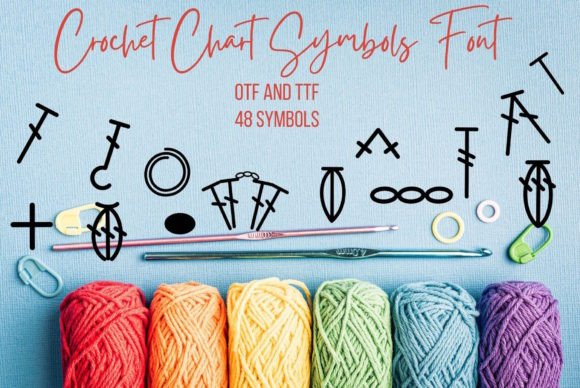
Consider the versatility of a font that includes 48 distinct chart symbols. It isn't just about the basic stitches; it’s about the nuances. You have the ability to represent popcorn stitches, bobble stitches, and puff stitches—elements that add texture and dimension to a project. Furthermore, the inclusion of front and back post stitches allows you to create patterns for ribbing, cables, and intricate relief work. By having access to these specific glyphs, you bridge the gap between the physical craft and the digital instruction manual.
One of the most practical features of such a toolkit is the handling of structural elements. We often overlook the "invisible" parts of a pattern, like the magic circle or the specific direction of the turn. A comprehensive symbol set includes these miscellaneous icons—arrows for direction, indicators for joining, and the starting chain. This ensures that your chart is not just a collection of stitches, but a complete roadmap for the maker.
Practical Applications for Creators and Brands
For those running a creative business, consistency is everything. Whether you are a crochet blogger, a yarn shop owner, or a digital pattern designer, your visual assets need to look polished. Here is how integrating these symbols into your workflow can elevate your projects:
- Pattern Design and PDFs: The most obvious use is in creating the charts themselves. Because the symbols come in OTF and TTF formats, you can install them into Microsoft Word, Adobe Illustrator, or Canva. You can resize, color, and even rotate the symbols to fit the layout of your digital download. This allows you to create professional-grade PDFs that customers will love.
- Social Media Content: Instagram and Pinterest are visual platforms. Instead of posting a wall of text explaining a new stitch tutorial, use the font to create a clean, minimalist chart graphic. The symbols are recognizable at a glance, making your content more shareable and save-worthy.
- Branding and Logo Design: If your brand is built around crochet, your logo should reflect that. While a script font might be beautiful for your brand name, using a specific stitch symbol as an icon or monogram can add a layer of authenticity to your packaging and website headers.
- Educational Resources: For those selling workshops or classes, these symbols are invaluable for handouts and presentations. They help standardize the language you use with your students, ensuring everyone is on the same page.
Tips for Typography and Visual Consistency
When working with a specialized display font like this, it’s important to treat it with the same design principles you would apply to any premium typeface. You wouldn't use a heavy, decorative script for body text, and similarly, you need to use these chart symbols intentionally.
Font Pairing Matters: When you place a crochet symbol next to text, the styles need to harmonize. If you are writing a pattern in a clean, modern sans-serif font, the symbols will stand out clearly. If you are using a vintage or handwritten style for your headers, ensure the symbols don't look out of place. The goal is a seamless reading experience where the eye flows easily from the text instructions to the visual chart.
Color and Texture: Because these are vector-based symbols, you aren't stuck with black ink. If you are designing a "Winter Wonderland" themed pattern collection, you can change the color of the stitches to a cool blue or silver. Conversely, for a summer campaign, a bright coral or yellow can make the charts pop. This flexibility is a massive asset for creating seasonal marketing materials or themed merchandise.
Readability is Key: While it might be tempting to rotate and skew the symbols to create dynamic layouts, always prioritize the reader. A chart is a tool, first and foremost. Ensure that even if you resize the symbols for a poster or a large-format print, they remain legible. The distinction between a double crochet and a treble crochet needs to be visible, regardless of the medium.
Streamlining Your Creative Workflow
Efficiency is the currency of the modern entrepreneur. Firing up a complex vector program just to draft a quick stitch diagram for a blog post or a client email is time-consuming. Having a font library that acts as a shortcut allows you to work faster. You can quickly mock up a chart in a simple document, save it as a PDF, and send it to a test crooker or a client for review.
Moreover, this approach allows for easy edits. If a pattern needs a correction—say, changing a section from double crochet to half-double crochet—you simply highlight the text and change the character. There is no need to delete and redraw shapes. This fluidity is essential for designers who iterate on their work frequently.
Ultimately, using a dedicated set of crochet symbols is about professional presentation. It signals to your audience that you take your craft seriously and that you value their ability to read and understand your work. Whether you are creating a simple dishcloth pattern or a complex heirloom blanket, the right visual tools make the journey from hook to finished object smoother and more enjoyable for everyone involved.