Cute Doodle: The Quirky Font That Brings Playful Energy to Your Work
There’s a certain magic that happens when a design feels approachable, whimsical, and genuinely fun. Whether you’re crafting a logo for a children’s brand, designing social media posts for a bakery, or putting together invitations for a casual garden party, the visual tone you set matters. This is where a typeface like Cute Doodle steps in—not as just another font, but as a design element with personality. It’s a dingbats-style typeface built around quirky, hand-drawn motifs that can instantly inject warmth and creativity into a project. If you’ve ever struggled to find graphics that feel cohesive with your typography, or wished your fonts came with built-in decorative elements, this might be the creative solution you didn’t know you needed.
What Exactly Is a Dingbats Font, and Why Does It Matter?
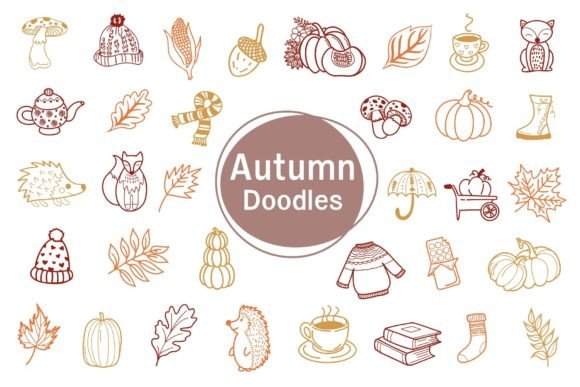
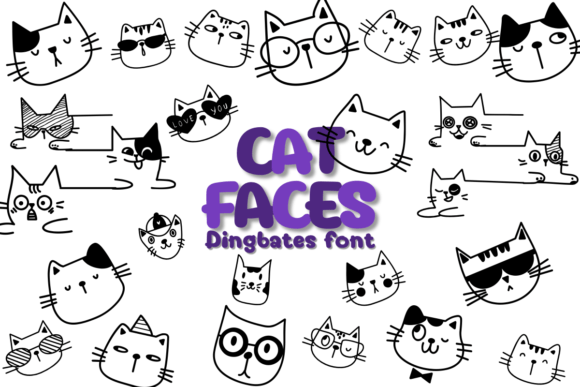
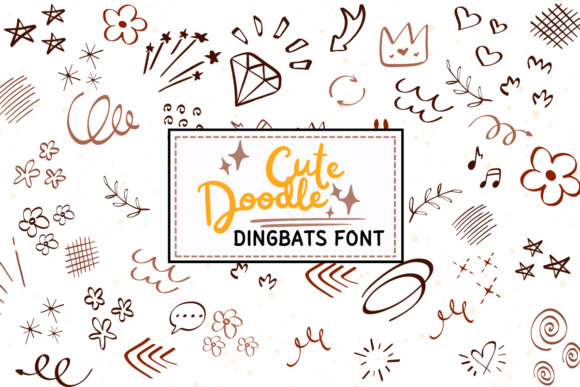
Before we dive into applications, let’s clarify what makes Cute Doodle unique. Unlike traditional serif or sans serif fonts designed for body text, a dingbats font contains symbols, icons, or illustrations instead of letters. Think of it as a mini library of visual assets that live right within your font menu. Cute Doodle specifically offers a collection of playful, doodle-style graphics—think little stars, hearts, arrows, swirls, animals, and decorative flourishes—all rendered in a consistent hand-drawn style.
This approach solves a common design challenge: maintaining visual harmony. When you use separate icon sets or clipart from different sources, they often clash in style, line weight, or overall vibe. A cohesive dingbats font like this ensures that every decorative element you pull shares the same aesthetic DNA. For someone building a brand identity or working on packaging design, that consistency is invaluable. It streamlines your workflow and elevates the final product, making everything look intentionally crafted rather than hastily assembled.
Where Playful Typography Truly Shines: Real-World Applications
The beauty of a creative font like Cute Doodle lies in its versatility. It’s not meant for setting paragraphs of text, but as a complementary tool for display purposes, accents, and decorative touches. Here’s how different professionals and hobbyists can put it to work:
For Branding and Logo Design: Imagine you’re developing a brand for a coffee shop with a cozy, artisanal vibe. Instead of using generic clipart for your loyalty card or menu dividers, you could use Cute Doodle’s coffee cup or leaf motifs to reinforce the brand’s character. These small touches build recognition and make the brand feel more human and relatable. When used alongside a clean sans serif or a friendly handwritten font for the main logotype, the doodles act as supporting visual elements that enhance the overall identity without overwhelming it.
In Packaging and Merchandise: Product labels, thank-you cards, and packaging inserts are perfect places for subtle decorative flair. A small doodle of a gift box on a shipping label, or a series of tiny stars bordering a product tag, can make unboxing feel special. For small businesses selling on platforms like Etsy, this level of detail can differentiate your product from competitors and encourage customer loyalty. It’s a cost-effective way to add perceived value.
Across Digital Platforms: Social media graphics thrive on visual interest. Using doodle elements as bullet points in an Instagram carousel, as dividers in a Pinterest pin, or as decorative borders in a Facebook ad can make your content more engaging. They break up text, guide the viewer’s eye, and inject personality into otherwise static layouts. For bloggers, these icons can serve as custom bullet points, section dividers, or featured image accents, helping to establish a recognizable visual style across posts.
For Print and Editorial Projects: Wedding invitations, party flyers, magazine layouts, and event posters often call for decorative elements that feel handcrafted. Cute Doodle’s motifs can frame text, highlight key information, or add a touch of whimsy to a formal layout. Because the style is consistent, you can mix and match elements without worrying about stylistic dissonance. This is particularly useful for DIY crafters who want professional-looking results without hiring a designer for every small project.
Pairing and Practicality: Making It Work in Your Designs
One of the most important aspects of using a display font or decorative typeface is ensuring it complements, rather than competes with, your primary typography. Cute Doodle’s quirky, hand-drawn style works best when paired with simpler, more neutral fonts. A clean sans serif like Montserrat or a classic serif like Lora can provide the necessary contrast, allowing the doodles to add flavor without sacrificing readability.
Consider the context of your project. If you’re designing a website header for a creative agency, a few strategically placed doodles can convey innovation and approachability. However, for a legal firm’s brochure, the same doodles might feel out of place. Always align your font choices with your audience’s expectations and the project’s goals. The key is intentionality—every decorative element should serve a purpose, whether it’s to draw attention, create visual breaks, or reinforce a brand’s playful tone.
Before finalizing your design, test how the font renders at different sizes. Some intricate doodles may lose detail when scaled down too small, while others might look overwhelming when blown up too large. Print a test page if your project is physical, and preview across multiple devices for digital work. This simple step can save you from costly revisions later.
Beyond Aesthetics: The Functional Benefits of a Cohesive Design Toolkit
Using a curated set of design assets like Cute Doodle isn’t just about making things look pretty—it’s about efficiency and professionalism. When your visual elements are stylistically aligned, your brand communicates more clearly. Customers subconsciously perceive consistency as reliability and attention to detail. This is especially crucial for small business owners and entrepreneurs who may not have a dedicated design team. Having a go-to set of cohesive graphics simplifies the creation of marketing materials, from email newsletters to printed flyers.
Moreover, a premium font with commercial licensing ensures you can use these assets across client work, merchandise, and digital products without legal ambiguity. Always review the license terms before purchasing any font. Some licenses restrict usage on print-on-demand sites or limit the number of computers that can install the font. For designers and agencies, this due diligence is non-negotiable.
Final Thoughts on Integrating Quirky Fonts into Your Workflow
Finding the right creative font is like discovering a new color in your palette—it opens up possibilities you hadn’t considered. Cute Doodle offers a specific aesthetic: fun, hand-drawn, and full of character. It’s not a solution for every project, but for the right ones, it can be transformative. Whether you’re a content creator looking to spice up your thumbnails, a marketer designing a campaign for a youthful audience, or a crafter personalizing handmade goods, this typeface provides the tools to do so with style and cohesion.
Remember, the best designs balance creativity with clarity. Use decorative elements sparingly and purposefully. Test your font pairings, consider your audience, and always prioritize the message you want to convey. When used thoughtfully, a font like Cute Doodle doesn’t just decorate—it communicates, delights, and distinguishes your work in a crowded visual landscape.