Graxyti: A Graffiti Font That Brings Street Art to Your Designs
More Than Just a "Graffiti Font"
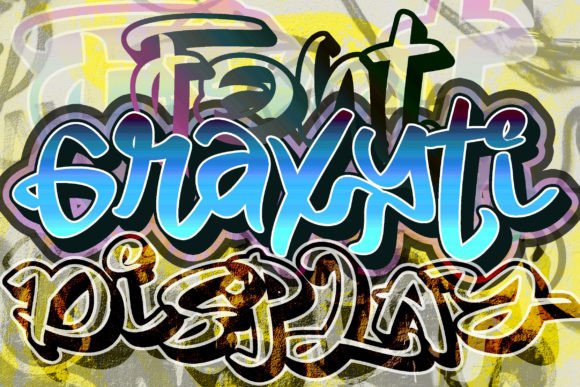
When you first look at Graxyti, it’s easy to slot it into the category of simple street art. However, its construction reveals a layer of sophistication. This isn't just a rough sketch of letters; it is a carefully crafted premium font that balances the chaotic nature of graffiti with the precision required for legibility. It carries the DNA of modern typography while wearing the jacket of urban art.
The visual appeal lies in its distinct personality. It avoids looking like a generic "street" font by incorporating elegant flourishes and a unique baseline that mimics the pressure variations of a real marker or brush. This makes it an exceptional display font. It doesn't try to hide what it is; instead, it leans into its identity, offering a textural quality that flat, geometric fonts simply cannot replicate. If you are looking for a typeface that bridges the gap between underground culture and professional design, this hits the sweet spot.
The Practical Toolkit: What’s Inside the Box?
A font is only as good as its utility. You might have a beautiful design, but if the typeface lacks the necessary glyphs for your specific project, it becomes useless. Graxyti is built as a comprehensive design asset, not just a stylistic ornament.
The font package is equipped with the full spectrum of characters necessary for professional work:
- Uppercase and Lowercase: This is crucial. Many display fonts skip lowercase letters to save time, but having both allows for varied hierarchy in your layouts. You can use the uppercase for impact and the lowercase for a more approachable, readable sub-headline.
- Numerals and Punctuation: Essential for pricing on packaging, dates on event posters, or technical information on merchandise.
- Multilingual Support: In a global market, this cannot be overlooked. Whether you are designing for a local brand or an international campaign, the ability to use accented characters ensures your message isn't lost in translation.
This versatility means you aren't limited to one specific medium. It functions as a reliable commercial font because it is ready for complex copy, not just single-word logos.
Real-World Applications: From Concrete to Canvas
The true test of a creative font is how well it adapts to different environments. Graxyti’s style is inherently expressive, which makes it a strong contender for a variety of projects where you need to evoke emotion or attitude.
Branding and Logo Design
For a logo design, distinctiveness is the currency of the realm. If you are working with a brand that targets a younger demographic—think streetwear labels, skate shops, music festivals, or urban lifestyle blogs—Graxyti offers an instant visual shorthand. It tells the viewer, "We are creative, we are bold, and we don't follow the rules." However, be mindful of the industry. While perfect for a t-shirt brand, it might feel out of place for a corporate law firm. Context is everything.
Merchandise and Packaging
There is a tactile connection between graffiti and physical goods. Using Graxyti on packaging design for products like energy drinks, artisanal coffee, or vinyl records can create a "shelf pop" that neutral, sans-serif competitors lack. It translates beautifully onto textiles. Imagine this font screen-printed on the back of a denim jacket or embroidered on a snapback cap. The thick strokes and high contrast ensure that the design remains visible even on textured fabrics.
Digital Spaces: Social and Web
In the realm of social media graphics, attention spans are short. A bold header using Graxyti can stop the scroll. It is excellent for YouTube thumbnails, Instagram Stories, or Spotify playlist covers where the title needs to be legible at a glance. For web design, it should be used sparingly—primarily for hero sections or specific call-to-action headers. It pairs exceptionally well with a clean sans serif font for body text, creating a dynamic contrast between the chaotic header and the organized content.
Strategic Typography: Making the Font Work for You
Using a graffiti font effectively requires more than just typing out your words. It requires a strategy to ensure it enhances, rather than hinders, your communication.
The Art of Font Pairing
One of the most common mistakes designers make with expressive fonts is pairing them with other complex fonts. Graxyti has a lot of personality; it doesn't need a shouting match with a script font or an overly ornate serif font.
Practical Advice: Stick to the classics for your body copy. A geometric sans serif font (like Montserrat or Roboto) or a classic handwritten font with good readability will ground the design. Let Graxyti handle the headlines and the "scream," while the secondary font handles the "conversation."
Hierarchy and Readability
Because Graxyti is a display font, it is optimized for sizes 24pt and up. Do not try to force this font into 10pt body text for a long blog post; it will become illegible and frustrating for the reader.
Use it to establish hierarchy. Use Graxyti for the main title to grab attention, then switch to a standard font for the subtitle and body. This guides the reader's eye naturally from the visual hook to the informational content.
Testing for the Environment
Always test your typography in the environment where it will live. If you are designing a sticker, print a test sheet. If you are designing a website, mock it up on a mobile screen. Graffiti fonts can sometimes lose their charm if scaled down too small on a high-resolution mobile device. Ensure the kerning (spacing between letters) looks balanced so the letters don't crash into one another illegibly.
Visual Consistency and Brand Recognition
Typography is one of the strongest tools for building brand identity. When you consistently use a distinctive typeface like Graxyti across your touchpoints, you build a visual memory with your audience.
If a customer sees a social media post, then visits your website, and finally receives a package, the consistent use of this font creates a cohesive experience. It signals that the brand is intentional. It moves your project from looking like a "homemade hobby" to a "curated brand." This consistency builds trust. When your visual language is fluent and consistent, customers feel more comfortable engaging with your product.
Licensing and Professional Use
Before you finalize any commercial project, you must address the legal side of design assets. Since Graxyti is a premium font, it typically comes with a license that dictates how it can be used.
Crucial Step: Always review the licensing agreement included with the download. Most commercial licenses cover usage on physical products (merchandise), digital ads, and websites. However, some licenses have limits on the number of impressions or physical units sold. If you are planning a massive run of t-shirts or a global ad campaign, ensure your license covers that scope. Respecting font licensing protects you legally and supports the type designers who create these tools.
Final Thoughts on Creative Expression
Graxyti is more than just a collection of vectors; it is a stylistic statement. It offers a bridge between the raw energy of street art and the polished requirements of modern design. Whether you are a small business owner looking to launch a bold new product line, or a designer seeking to inject some adrenaline into a client's social feed, this font provides the visual vocabulary to do so. It reminds us that design doesn't always have to be serious and rigid—sometimes, it needs to be loud, messy, and undeniably cool.