Discover Butterfly Wildflower: A Font Trio for Creative Projects
Finding the perfect typeface can feel like searching for a hidden gem. You need something that carries personality, works across different mediums, and doesn't require hours of tweaking. That's where a well-crafted font trio like Butterfly Wildflower enters the picture. It’s not just a single font but a collection designed to give you versatility from the start, blending clean sans serifs with a flowing script to handle a wide range of design tasks.
A Blend of Clarity and Character
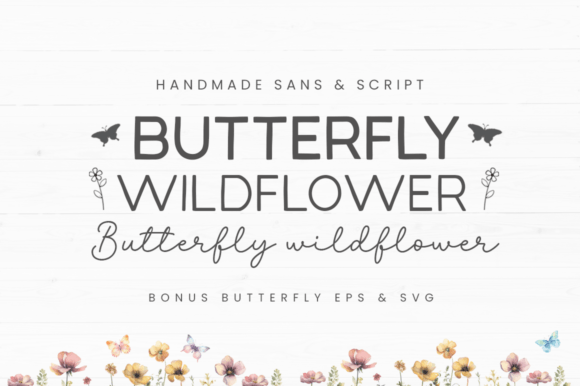
At its core, Butterfly Wildflower offers three distinct styles that work harmoniously. The thin and bold sans serif options provide a modern, clean foundation—ideal for headings that need to be read quickly or body text that requires excellent legibility. The script font adds a personal, handwritten touch, perfect for accents, logos, or anywhere you want to inject warmth and approachability. This combination means you can create a complete visual identity without mixing fonts from different families, which often leads to a disjointed look.
The visual appeal lies in its balance. The sans serifs aren't overly geometric or cold; they have subtle softness that complements the script's natural flow. The script itself avoids being too casual or too formal, striking a middle ground that feels authentic. This makes the set particularly effective for projects that aim to feel both professional and relatable—think boutique branding, artisanal product packaging, or a lifestyle blog that wants to connect with its audience on a personal level.
Practical Applications for Real-World Design
Where does a font like this actually shine? Let's break it down into tangible uses. For branding and logo design, the trio allows you to build a cohesive system. Use the bold sans serif for your primary logotype, the script for a tagline or monogram, and the thin style for secondary elements like website headers or business card details. This creates visual hierarchy and consistency across all your materials.
In packaging and merchandise, readability is key, but so is shelf appeal. The bold sans serif can make product names pop on a label, while the script can highlight a flavor, scent, or special feature. Imagine a coffee bag with "Artisan Blend" in a bold, clean font and "Small Batch Roasted" in a delicate script below it. It tells a story before the customer even reads the description.
For digital and social media graphics, the font trio helps maintain a consistent voice. Use the sans serif for quotes and informational posts where clarity is paramount, and switch to the script for more inspirational or personal messages. This subtle shift in typography can change the tone of your content without altering your overall brand aesthetic, keeping your feed visually interesting yet unified.
Print materials like invitations, posters, and editorial layouts benefit from the set's versatility. The script adds elegance to event invitations, while the sans serifs ensure all the logistical details—date, time, location—are easily readable. In a magazine or brochure, mixing the styles can guide the reader's eye through different sections, distinguishing headlines from pull quotes and body copy.
Enhancing Your Design Workflow and Brand Impact
Using a coordinated font set like Butterfly Wildflower can streamline your creative process. Instead of spending hours testing font pairings that might clash, you have a pre-vetted collection that's designed to work together. This saves time and reduces the guesswork, especially for small business owners or content creators who wear many hats.
From a branding perspective, consistent typography builds recognition. When your audience sees the same font styles across your website, social media, and packaging, it reinforces your identity. It makes your brand look more polished and intentional, which can build trust. The included butterfly EPS-SVG files are a thoughtful bonus, offering ready-to-use design assets for projects that need a decorative touch. You could use them as standalone graphics, integrate them into patterns, or pair them with the fonts for a fully themed design.
A practical tip: always test your chosen font styles in context. A typeface that looks beautiful on a design mockup might lose its charm when printed on a textured material or viewed on a small mobile screen. Check the legibility of the thin sans serif at small sizes, and see how the script font reads in a sentence versus as a single word. Pay attention to letter spacing and line height—these adjustments can make a significant difference in the final presentation.
Choosing the Right Style for Your Project
Not every project needs all three styles at once. The key is to match the typography to your goal. Need a clean, professional look for a corporate report? The thin or bold sans serif alone might be your best bet. Designing a heartfelt thank-you card for customers? The script font could carry the emotional weight. Creating a social media ad for a flash sale? The bold sans serif will grab attention, while a script accent can add a friendly note.
Consider your audience. A younger demographic might respond well to the handwritten charm of the script, while a more traditional audience might prefer the stability of the sans serifs. The beauty of having a trio is the flexibility to adapt without straying from a cohesive visual language.
Finally, always review the licensing terms for any commercial font. Ensure it covers your intended use, whether it's for client work, merchandise for sale, or digital products. This due diligence protects you legally and ensures you can use your chosen creative assets with confidence.
Butterfly Wildflower is more than just a collection of letterforms; it's a toolkit for building visual stories. By understanding its components and thinking strategically about their application, you can create designs that are not only beautiful but also effective in communicating your message and strengthening your brand's presence.