Darkling: A Font That Feels Like a Handwritten Note
You know the feeling. You're scrolling through a sea of perfectly polished, digitally crisp fonts, and then something catches your eye. It's not perfect. It has texture. It feels like it was written with a real pen on real paper, with all the beautiful, human imperfections that come with it. That's the immediate charm of a typeface like Darkling. It doesn't just sit on the page; it communicates a mood, a sense of warmth and authenticity that sterile, geometric fonts often miss. For designers and creators looking to inject a dose of organic personality into their work, this kind of wedding rough script font is a game-changer.
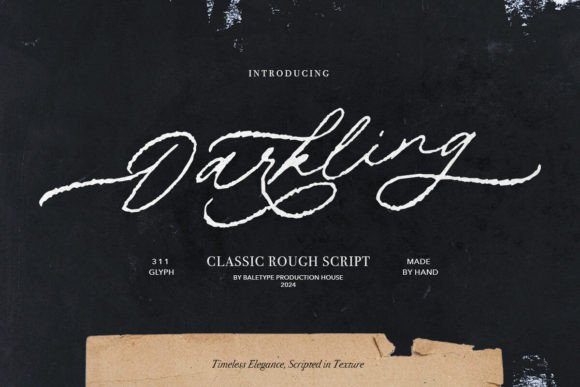
At its core, Darkling is a script font with a distinct, dry-edge aesthetic. Think of the elegant loops and swashes of classic calligraphy, but with a slightly weathered, textured finish. It comes packed with ligatures and alternates—those special character combinations and stylistic variations that prevent your text from looking repetitive or overly digital. Features like terminal swashes and end swashes allow you to craft headlines and logos that feel truly unique, as if each letter was carefully considered. This isn't just a font; it's a toolkit for creating visual narratives that feel personal and handcrafted.
Where Authenticity Meets Application
The real power of a premium font like this lies in its versatility. It's not confined to one niche. Its natural, dry edge makes it surprisingly adaptable across a wide range of creative and commercial projects. Let's break down some practical applications where its character can truly shine.
For Branding and Logo Design: A brand's logo is its handshake, its first impression. Using Darkling for a logotype can instantly convey values of craftsmanship, warmth, and individuality. Imagine it for a boutique bakery, a handmade jewelry line, a wedding photographer, or a cozy coffee roaster. The font's texture adds a layer of tactile quality to a digital logo, suggesting that the brand pays attention to detail and values the personal touch. It helps build brand recognition by being visually distinctive and emotionally resonant.
For Invitations and Event Stationery: This is its natural habitat. Wedding invitations, baby shower announcements, dinner party menus—any event where you want to set a tone of intimate elegance benefits from a script font with this kind of personality. The ligatures ensure the script flows beautifully, while the rough edge keeps it from feeling overly formal or stiff. It strikes the perfect balance between sophistication and approachability.
For Digital Presence and Marketing: In the crowded space of social media and web design, standing out is crucial. Using Darkling for key headlines on a website, for Instagram quote graphics, or for YouTube thumbnails can stop the scroll. Its organic feel cuts through the noise of clean, minimalist sans-serifs, making your message feel more personal and direct. For bloggers and content creators, it can add a signature style to featured images or newsletter headers, strengthening visual consistency and audience engagement.
For Packaging and Merchandise: Physical products thrive on shelf appeal. A font with a dry, textured edge can make product labels for artisanal goods—think candles, jams, sauces, or skincare—feel more authentic and premium. On merchandise like tote bags, mugs, or apparel, it gives designs a handcrafted, limited-edition quality that mass-produced items lack. It’s a subtle but powerful way to elevate your packaging design and connect with consumers who value story and substance.
Pairing and Practicality: Making It Work
Introducing a strong script font into a design requires a thoughtful approach to typography. The goal is harmony, not competition. A font like Darkling, with its pronounced personality, works best as a display or headline font. Pairing it with a clean, simple sans-serif or a neutral serif for body text is often the wisest choice. This creates a clear hierarchy: the script font draws the eye and conveys emotion, while the supporting font ensures readability for longer passages of information.
Before finalizing any project, always test your font pairings and consider readability. While the alternates and swashes are beautiful, overusing them in small text or long paragraphs can hinder legibility. Reserve those special features for larger displays, logos, or initial caps where they can be appreciated. Check the font's license for your intended use—whether it's for a single client project, a commercial product line, or a personal blog—to ensure compliance and avoid legal headaches down the road.
Exploring the full set of included styles and alternates is time well spent. You might discover that a specific terminal swash perfectly complements the curve of a particular letter in your brand name, or that a certain ligature makes a tricky letter combination flow seamlessly. This level of customization is what separates a generic design from one that feels intentionally crafted.
Ultimately, choosing a typeface like Darkling is a decision to prioritize character and connection. It’s for projects that want to whisper rather than shout, to feel familiar rather than distant. In a world saturated with digital perfection, its beautiful imperfections are its greatest strength, offering a tangible sense of humanity in every letterform. Whether you're building a brand identity from scratch or refreshing an existing one, it provides a powerful tool for visual storytelling that resonates on a human level.