Carmela: The Serif Font Bringing Quiet Luxury to Modern Design
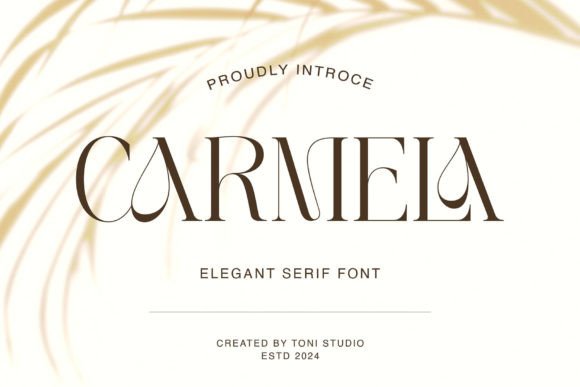
There’s a particular kind of elegance that doesn’t shout—it whispers. It’s in the weight of a quality paper stock, the precise kerning of a well-set headline, the subtle curve of a serif that feels both timeless and fresh. This is the space the Carmela font inhabits. It’s not a retro throwback or a stark modernist statement; it’s a contemporary serif with a classic soul, designed to bring a refined, luxurious touch to projects where first impressions and lasting brand perception matter. For designers, entrepreneurs, and creators seeking a typeface that conveys sophistication without pretension, Carmela offers a compelling solution.
A Typeface with Personality: Where Classic Meets Contemporary
Carmela’s visual appeal lies in its balanced duality. It features the sturdy, readable structure of a traditional serif, but with a distinctly modern polish. The letterforms have a graceful, slightly condensed proportion that feels efficient and elegant. The serifs themselves are crisp and defined, providing excellent readability in body text while adding a decorative flourish in display sizes. This careful balance means it doesn’t feel stuffy or overly formal. Instead, it projects a sense of curated taste and quiet confidence. Think of it as the typographic equivalent of a beautifully tailored blazer—it’s professional, stylish, and appropriate for a wide range of contexts.
This personality makes it incredibly versatile. As a premium font, it’s crafted with attention to detail, including a full character set, numerals, punctuation, and often stylistic alternates or ligatures that allow for customization. This isn’t just another display font; it’s a workhorse serif font designed for real-world application across multiple mediums.
From Brand Identity to Packaging: Practical Applications
The true test of any creative font is how it performs in the wild. Carmela’s strengths shine across a variety of professional and creative projects, solving common design challenges with style.
Building a Cohesive Brand Identity: For small businesses and startups, establishing a recognizable brand is paramount. Carmela can serve as the cornerstone of a brand identity system. Its elegance works beautifully for a luxury goods brand, a high-end salon, a boutique consultancy, or a premium artisan product. Using it consistently across the logo, website headings, business cards, and packaging creates immediate visual cohesion and helps build brand recognition. The font’s readability ensures that brand messaging remains clear, whether it’s on a website footer or a product label.
Logo Design and Wordmarks: A well-crafted logotype using Carmela can become a timeless asset. The font’s refined curves and strong baseline create logos that feel established and trustworthy. It pairs exceptionally well with simpler sans serif fonts for a modern contrast, or with a delicate script font for a more romantic, boutique feel. This flexibility is key for logo design, allowing the primary typeface to set the tone while supporting elements add nuance.
Elevating Print and Packaging: The physicality of print is where a font like Carmela truly comes alive. For packaging design, it adds a layer of perceived quality. Imagine it on a candle box, a gourmet food label, or a skincare product—it immediately suggests care and craftsmanship. In editorial design, it’s perfect for magazine mastheads, article pull quotes, or chapter titles in a book, adding a touch of literary sophistication. For wedding invitations, event programs, or menu design, its inherent grace sets a celebratory and elegant mood.
Digital Presence: Websites, Blogs, and Social Media
In the digital realm, a font must be both beautiful and functional. Carmela excels here, offering a professional polish that enhances user experience and content engagement.
Web Design and Readability: When used for headings and subheadings on a website, Carmela provides a strong visual hierarchy that guides the reader’s eye. Its readability at various screen sizes makes it a reliable choice for web design. Paired with a clean, neutral sans serif font for body text (like Open Sans or Lato), it creates a classic, easy-to-navigate layout that looks both professional and approachable.
Content Creation and Blog Titles: For bloggers and content creators, a compelling title can make all the difference. Using Carmela for blog post titles, Pinterest graphics, or YouTube thumbnails adds a level of visual authority that can increase click-through rates. It signals that the content is well-produced and worth a reader’s time. For social media graphics, it helps maintain a consistent, high-quality aesthetic across platforms, strengthening personal or brand presence.
Digital Products and Marketing: The font is an excellent asset for creating digital products like eBooks, PDF guides, or online course materials. Using it for chapter headings and key information improves the overall professional presentation, increasing the perceived value of the product. In marketing assets such as email headers, promotional flyers, or digital ads, it helps capture attention and convey a message of quality and exclusivity.
Making It Work: Practical Tips for Implementation
Choosing a beautiful font is only half the battle; using it effectively is what creates impact. Here’s how to integrate Carmela into your workflow successfully.
Test Font Pairings Thoughtfully: Don’t just settle for the first combination you try. The most dynamic designs often come from pairing a strong serif like Carmela with a contrasting sans serif or even a subtle handwritten font. Use Carmela for headlines and major statements, and let a simpler font handle the longer paragraphs of body text. This contrast creates visual interest and improves overall readability.
Consider the Weight and Style: If the font family includes multiple weights (Light, Regular, Bold) or styles (Italic), explore them all. A light weight might be perfect for a delicate, airy invitation, while a bold weight could create a powerful poster headline. Understanding the full range of the typeface allows you to use it more expressively.
Always Check Licensing: Before using any font in a commercial project, always verify the license. For a commercial font like Carmela, ensure the license covers your intended use—whether it’s for client work, merchandise, digital sales, or large-scale printing. Proper licensing protects you legally and supports the designers who create these valuable design assets.
Keep Your Audience in Mind: While Carmela is versatile, ensure its personality aligns with your project’s goals and target audience. Its luxurious feel is perfect for high-end markets, wedding services, or professional services. For a project aimed at a very young, playful audience, you might use it sparingly as an accent rather than the primary font. Matching typography to audience expectations is a fundamental principle of effective modern typography.
Ultimately, Carmela is more than just a set of letters—it’s a tool for storytelling. It helps shape how your audience perceives your brand, your product, or your message before they’ve even read a word. By choosing a font that aligns with your aesthetic values and applying it with intention, you invest in a layer of communication that speaks volumes about quality and care. Whether you’re crafting a brand from the ground up or refining an existing one, exploring the possibilities of a font like this is a step toward creating more cohesive, engaging, and professionally resonant work.